



Auftaktnoten, Sprünge und Abwärtsschritte
Mit
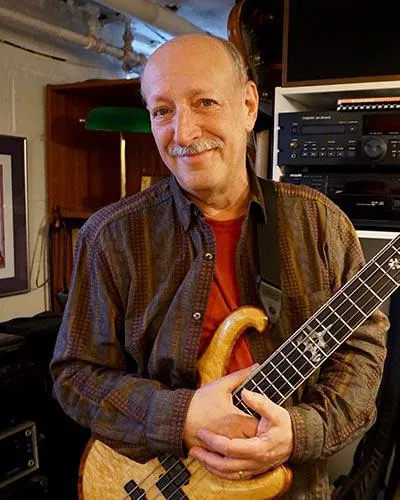
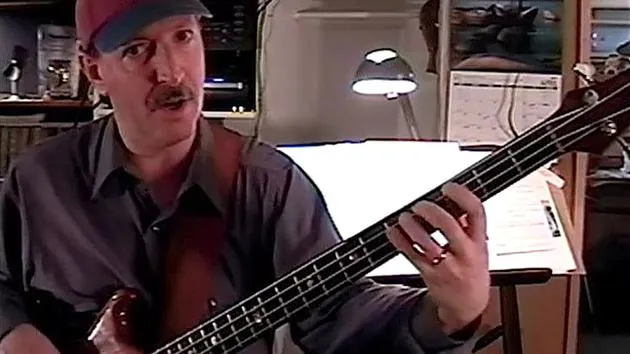
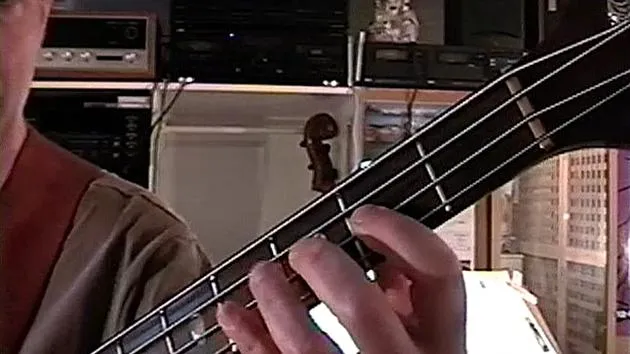
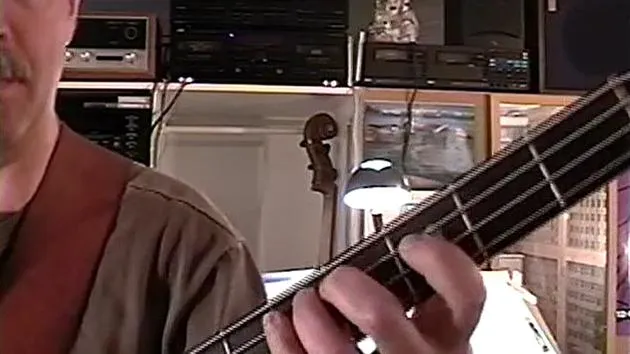
Bruce GertzBruce Gertz erklärt drei Walking-Bass-Mittel: Auftaktnoten (oder Sprünge), die zum nächsten Schlag führen, und den Drop – eine Sexte abwärts bis zur Terz des Akkords – jeweils mit Demonstrationen.
Das steckt im Kurs
29 Lektionen (1h 11m) · 1 gratis
01. Puls: Timing und Artikulation üben
6:19
02. Jazz-Walking-Bass-Feel
2:23
03. Straight Time vs. Swing Time, G-Shuffle-Blues
2:52
04. Latin feel mit gedämpftem Daumen
1:08
05. Funk, Slap, Sechzehntel und Swing/Funk mit Triolen
2:39
06. Solo Jams Swing/Funk
1:46
07. Swing blues
2:07
08. Double Time, Balladen-Feel
2:21
09. Schnell, Swing 320BPM, G Blues
1:26
01. Artikulationen für den Walking-Stil, Pull-offs, Ghost Notes (tote Noten), doppelte Pull-offs
4:05
02. Auftaktnoten, Sprünge und Abwärtsschritte
Du bist hier2:25
03. Wiederholung der kombinierten Artikulationen in Blues-Linien, in C und c-Moll
1:53
04. Notenwahl im Funk
2:16
05. Latin-Tumbao: Grundtöne, Quinten, Septimen, Oktave
2:47
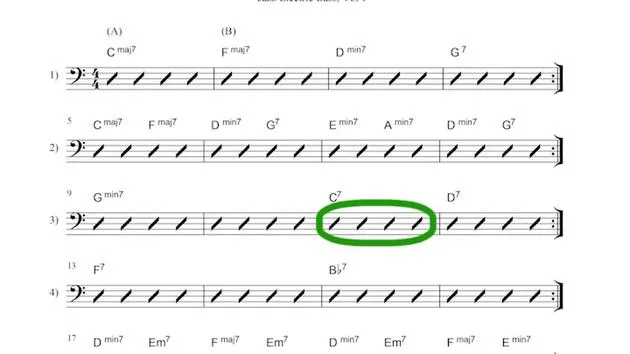
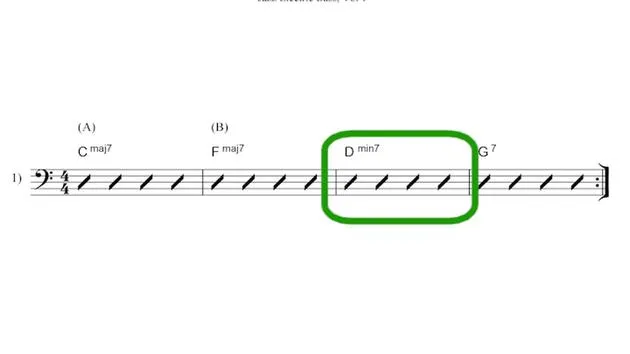
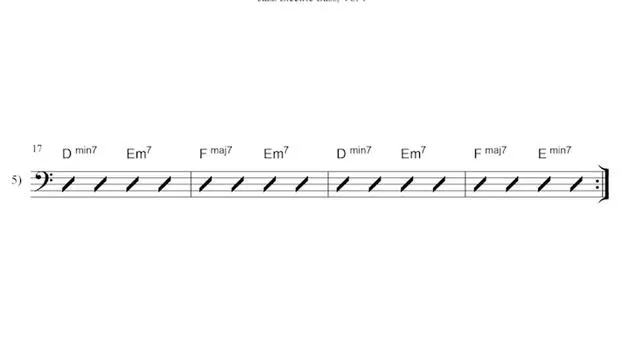
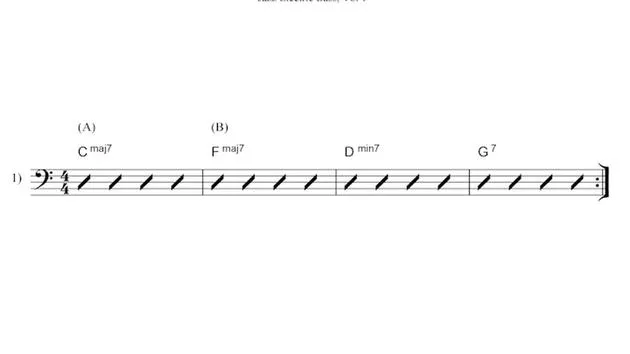
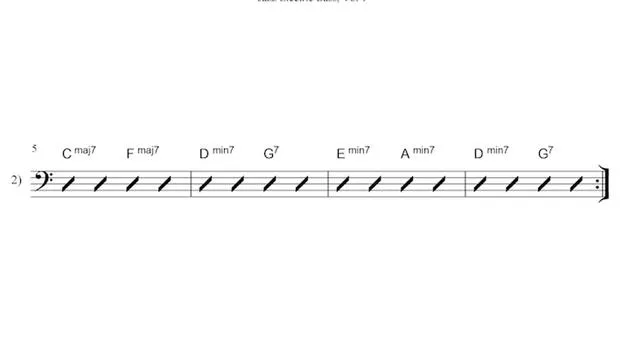
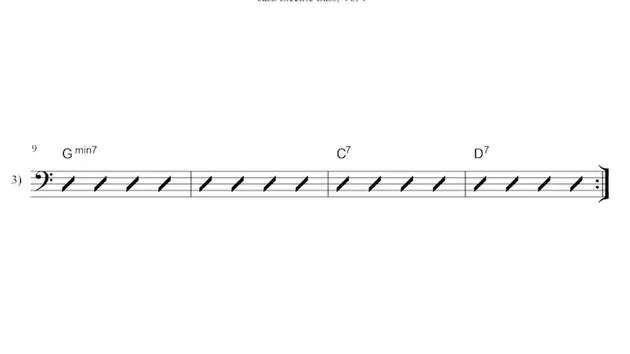
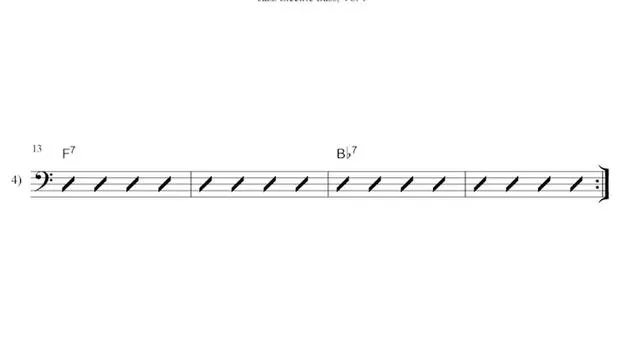
Transkript der Lektion
Pickup Notes in Walking Bass
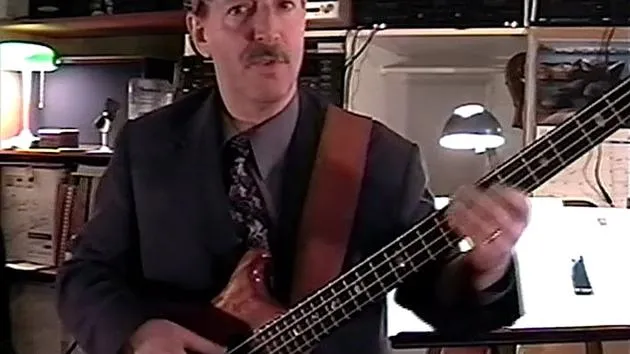
Okay, now another thing in a walking bass style that I call a pickup note.
What Are Pickup Notes?
I call them that because they seem like the pickup note to the next beat. Some people call them skips because they feel like you're skipping:
- 1, 2, and 3, 4.
- Ta dum, 2, 3, 4,
- ba boom, 2 and D and 4.
So, if you think of yourself as walking, physically walking with your body, it feels like a skip on the eighth note.
Summary of Pickup Notes:
- They can also be referred to as skips.
- They create a rhythmic feel in a walking bass line.
The Drop Technique
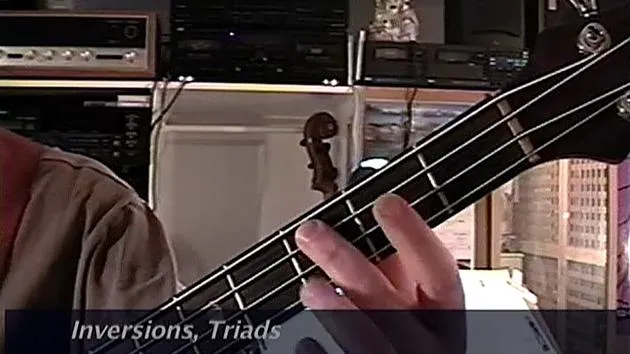
Another thing that people use on bass in walking is a drop.
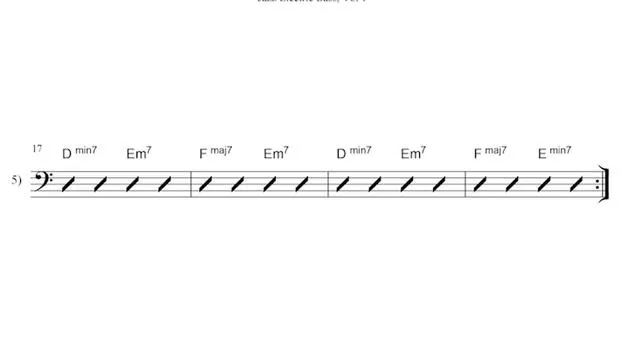
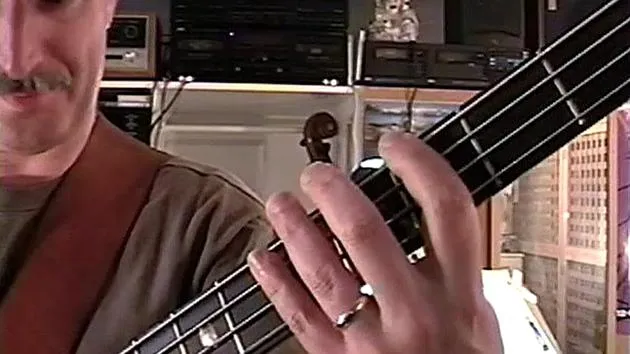
- Usually, it's a sixth drop down to the third of the chord.
- For example, in a C chord, it would be like:
- 1, 2, 3, 4.
- Like that.
Example:
- Here it is again:
- One, two, three, four.
- It can also occur on the end of beat 1:
- 1, A, 2, A, 1, 2, 3, 4.
You can put them in different places.
29 Lektionen
1 Std. 11 Min. strukturierte Videolektionen
Erweiterte Videofunktionen
Verlangsamen, Passagen loopen, mitlesen
Handy, Tablet & Desktop
Üben, wo du willst
100 % Zufriedenheitsgarantie
30 Tage Geld-zurück-Garantie
Lern deinen Guru kennen
Lern deinen Guru kennen
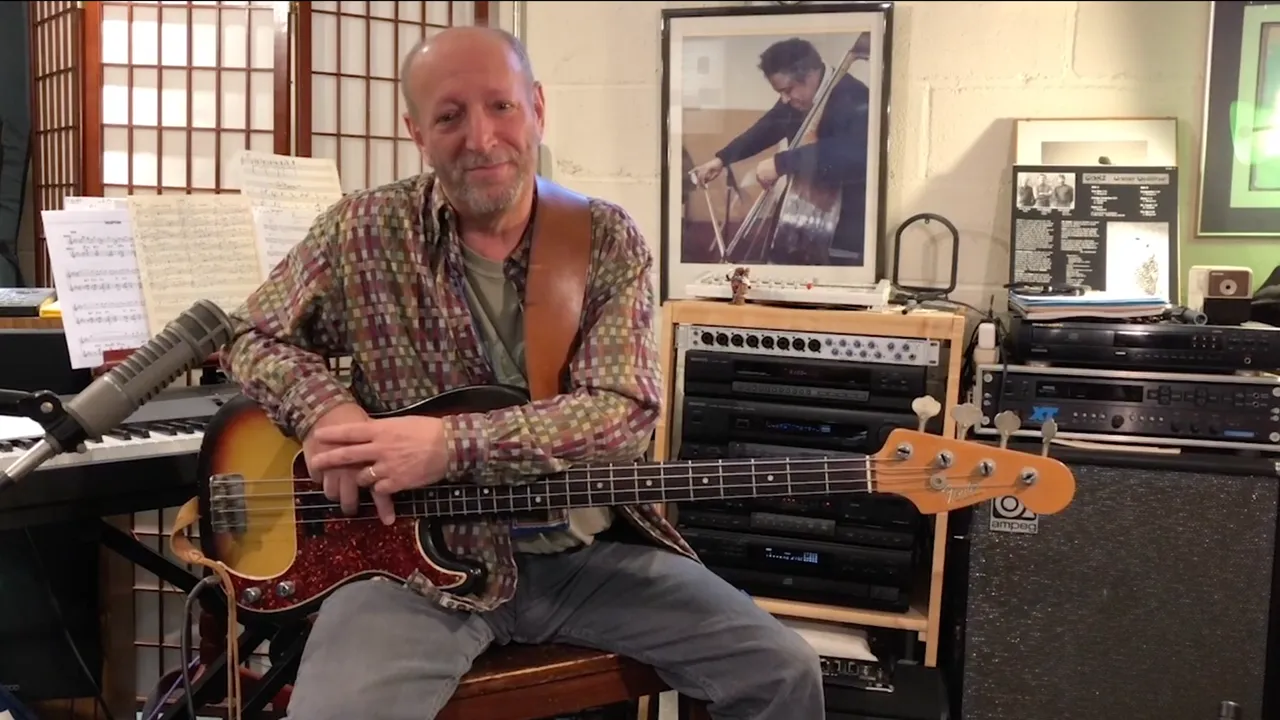
Bruce Gertz ist ein preisgekrönter Bassist (Kontrabass und E-Bass), Komponist, Pädagoge und Autor. Er ist Professor für Bass am Berklee College of Music, wo er seit 1976 unterrichtet.
Bruce ist Träger des Stipendiums des National Endowment for the Arts Jazz Performance Award, des Massachusetts Cultural Council Musical Composition Award und zahlreicher Auszeichnungen als herausragender Bassist der Boston Music Awards, der A.S.C.A.P. Plus Popular Awards sowie mehrerer Ehrungen der International Association of Jazz Educators und des Jazz Education Network. Bruce ist außerdem Mitglied des Vorstands der International Society of Bassists.
Er ist mit Künstlern wie Gary Burton, Jerry Bergonzi, John Abercrombie, Joey Calderazzo, Kenny Werner, Mick Goodrick, Kurt Rosenwinkel, Billy Hart, George Garzone, Mike Stern, Larry Coryell, Joe Lovano, Cab Calloway und Count Basie aufgetreten und hat mit ihnen aufgenommen, neben vielen anderen.
In Contemporary Bass Guitar Grooves stellt Bruce all diese Erfahrung in deinen Dienst. Du lernst, solide, swingende Basslinien aufzubauen und dich in authentische Grooves quer durch Funk, Jazz und Fusion einzufügen, damit du das Fundament hältst und mit Selbstvertrauen in jede Bandsituation einsteigen kannst.
Seine umfangreiche Diskografie und weitere Informationen findest du unter www.brucegertz.com.







