



Tipps für Lehrer Nr. 4 - Die Schreibblockade überwinden
Das steckt im Kurs
8 Lektionen (0h 46m) · 1 gratis
01. Einführung in kreative Ensembles mit Andrew Quartermain
4:44
02. Tipps für Lehrkräfte Nr. 1: Loslegen mithilfe von Improvisation
Gratis-Lektion3:16
03. Übung mit Schülern
7:36
04. Tipps für Lehrkräfte #2 - Interesse wecken
3:36
05. Übung mit Schülern
7:49
06. Tipps für Lehrkräfte Nr. 3 - Auf ihre Bedürfnisse eingehen
4:18
07. Übung mit Schülern
10:19
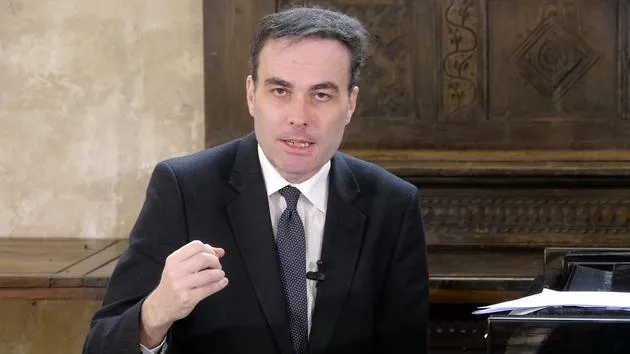
08. Tipps für Lehrer Nr. 4 - Die Schreibblockade überwinden
Du bist hier4:32
Transkript der Lektion
Exploring Improvisation in Small Ensemble Performance
Obviously, we're exploring improvisation here, and it's a spontaneous thing. This is all about:
- Getting small ensemble performance
- Performance without a conductor
- The joy of creating music together in that first session
Purpose of Improvisation
What we don't want to do is turn this into a seminar on how to improvise, or for your students to see improvisation itself as a separate skill. This is using improvisation as a means to an end, it's about developing them as performers.
Keep It Concise
You want to try and keep the tutorial on how to improvise to the barest minimum and not turn it into a lesson itself. At the same time, we know that the actual means of improvisation may itself be a block. If a student is sitting there with their instrument thinking, "I just literally can't do this," then you'll not get far in the session just by saying, "Oh, it's great. I've given them the musical conveyor belt. We'll try anyway."
Overcoming Writer's Block
The trick is to find a succinct way of explaining the concept of improvisation and how to overcome writer's block. One of the things that holds any musician back from improvising, and therefore going on to compose, is a perception that they must come up with a melody and an accompaniment.
Shifting Perspectives
We're brought up with the idea that music is composed in these traditional formats. Your students may have heard this and thought, "Well, how on earth could I do that?" We need to move away from that great music, as it is, and get them thinking about the real nuts and bolts of musical creation.
Starting Simple
Encourage them, if they're worried about improvisation, to start with:
- A repeated note
- A repeated pulse
By setting this up as the conveyor belt, students can ease into improvisation. If they're playing something like a repeated D within a pulse, they are already, by the way, improvising.
Building Melodies
From that repeated note, get them to think about adding notes either side:
- Maybe by step,
- Upward or downward.
For example, if they're playing a repeated D, they can explore moving up or down a note.
Encouragement to Explore
If they seem hesitant and it's not going anywhere, you could encourage them to:
- Expand their note above,
- Go up 2, go down 3, whatever feels right.
A little demonstration can help them understand that this isn't about writing an elaborate melody. It's not about getting a manuscript pad out or using a notation program; it's just about keeping it flowing.
Using Examples
To help convince them, consider using an example of a great composer, such as Chopin.
- Share the E minor Prelude: You could simply find it on YouTube and play it for them.
- Highlight how he creates this wonderful prelude just by changing one note at a time.
Removing Structural Constraints
Whichever example you choose, break it down for them. Help them remove themselves from the constraints of:
- Harmonic structure
- The necessity to modulate
- The traditional ideas of melody and accompaniment
We are not encouraging them to improvise a whole sonata form or even a ternary form. Instead, we just want to foster:
- A journey of musical direction
- A journey of pulse and phrase
Through these approaches, you can help your students embrace improvisation as an exciting part of their musical journey.
8 Lektionen
0 Std. 46 Min. strukturierte Videolektionen
Erweiterte Videofunktionen
Verlangsamen, Passagen loopen, mitlesen
Handy, Tablet & Desktop
Üben, wo du willst
100 % Zufriedenheitsgarantie
30 Tage Geld-zurück-Garantie







