



Assignment: Improvising over a chord change
Simplify a four-chord progression down to C and A minor, then build a melody from the chord tones they share - C and E - and embellish from there.

What's in the course
43 lessons (3h 11m) · 1 free
01. Intro to Approaches to improvisation
1:00
02. Getting started with improvisation
9:22
03. Improvising over chord tones
10:18
04. Assignment: Finding chord tones
4:05
05. Adding rhythmic interest to your solos
4:11
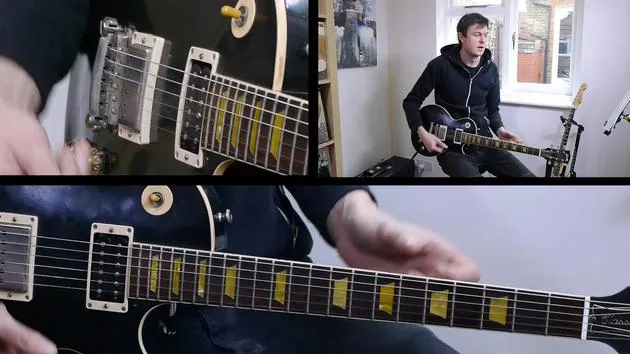
06. Assignment: Improvising over a chord change
You are here2:52
07. Challenge: Submit your improv
0:24
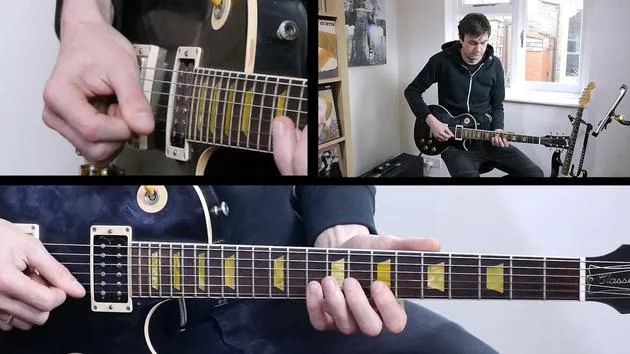
08. Embelleshing a melody
5:36
09. Challenge: Submit your melody
0:26
10. Rhythmic improv & comping
9:55




Lesson transcript
Simplifying a Four Chord Progression
Alright then. If you're struggling to follow a four chord progression, here's a tip:
- Reduce the Progression: Simplify the progression by halving it. Focus on a two chord progression.
Example: C to A Minor
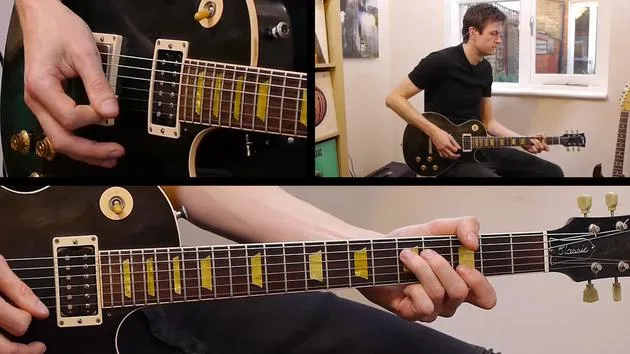
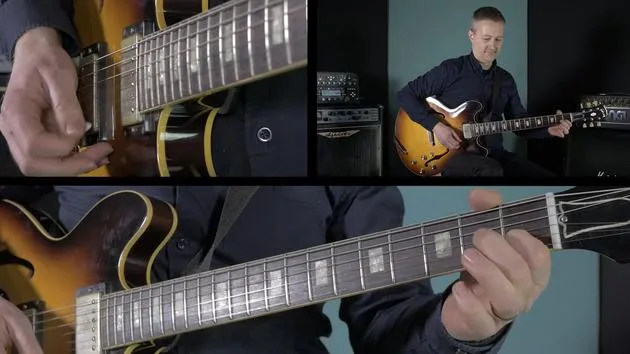
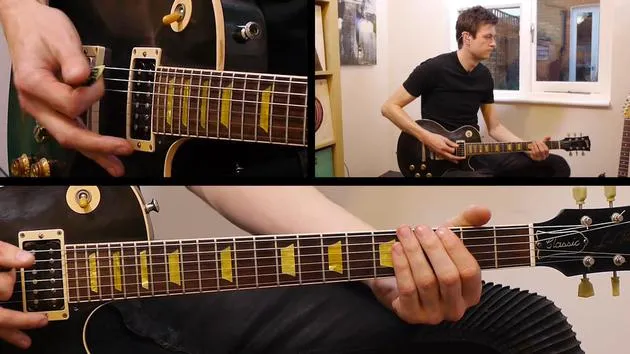
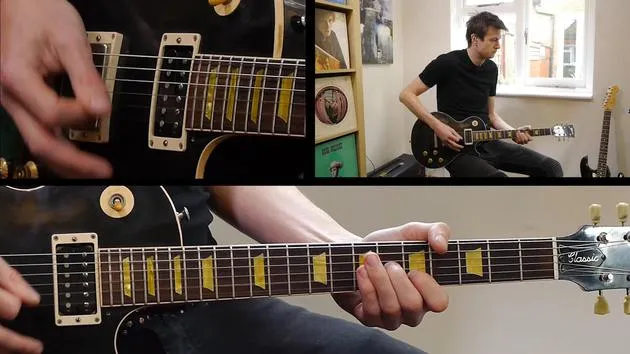
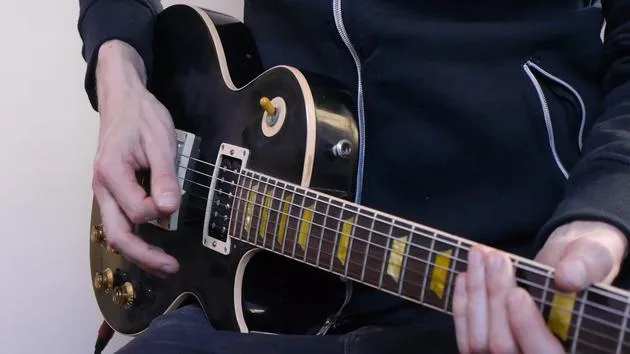
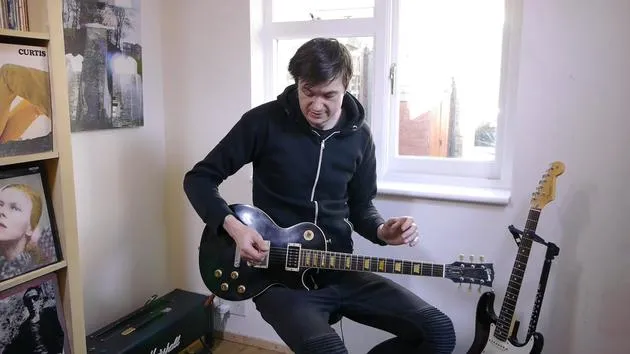
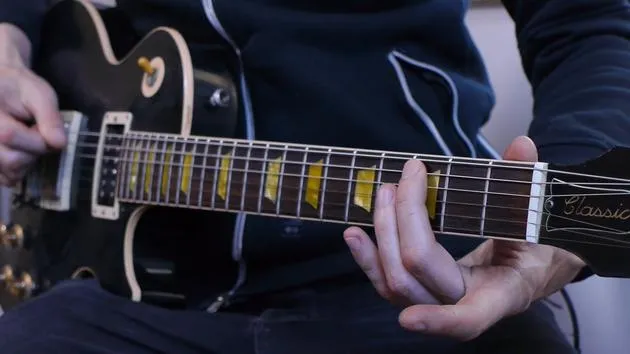
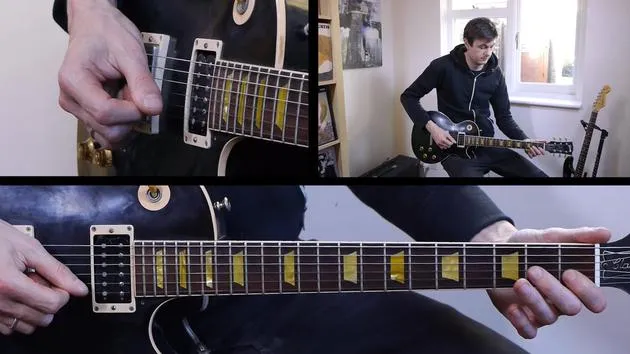
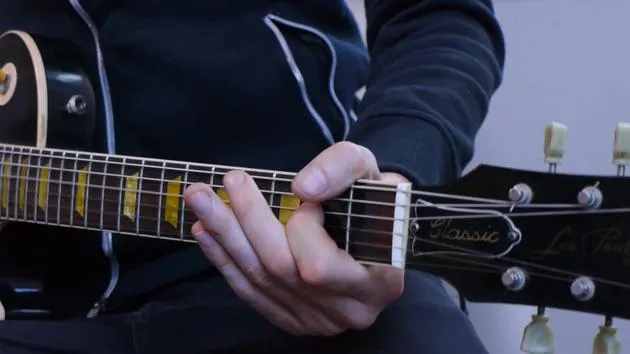
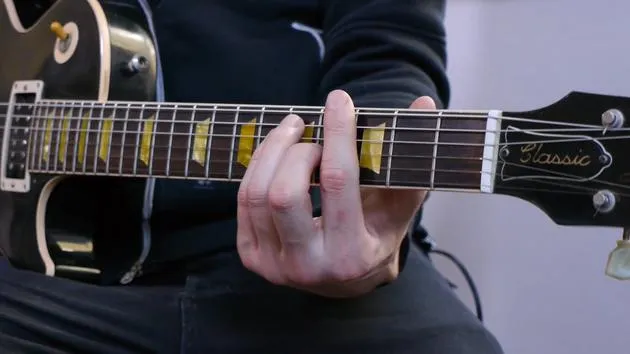
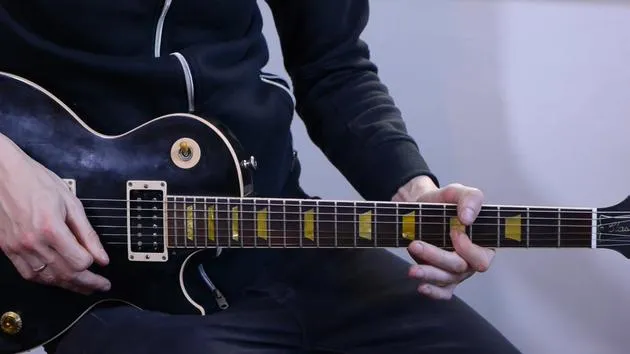
Let's play the first two chords of that last example: C to A minor. If we loop those around, we can look at just playing the chord tones.
- Common Tones: This is really interesting because we have several tones in common. In fact, two of the three tones will feature in both chords. There's only one note that changes between these, which is pretty cool.
Playing the Chords
Here we go:
- C major
- A minor
Something dead simple we can do is focus on the chord tones.
- Chord Tones in Common: The notes C and E feature in both chords.
This kind of sounds like an indie rock intro or something.
- Embellishment: What I did was embellish that with a note that's not a chord tone on either side of it, just one of them, and then I resolved it back.
Back to Basics
Let's go back to the basics and just play the chord tones of those chords:
- Two
- Three
You could spend all day just messing around over those two chords and playing the chord tones in various positions. It's great fun!
Musical Potential
Even with simple ideas, it can start to sound really musical.
- Song Intro: That could well be an intro to a song you might start writing at that point, who knows? But have fun with it anyway.
Get Creative
-
Mistakes Are Okay: Don't worry about making mistakes. They will happen, regardless of whether you're working on improvisation or anything else on the guitar.
-
Push Yourself: Mistakes are a good thing; it means you're pushing yourself. As long as you recognize them and understand what you did, you can hopefully avoid doing it again.
Conclusion
Just have fun with it! It's really great fun.
43 lessons
3h 11m of structured video lessons
Advanced video features
Slow down, loop a passage, follow along
Mobile, tablet & desktop
Practise wherever you are
100% satisfaction guarantee
30-day money-back guarantee