



Analysis, explanation, demonstration with Maxim Vengerov
With
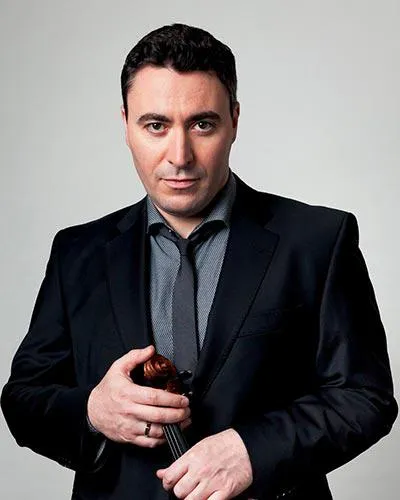
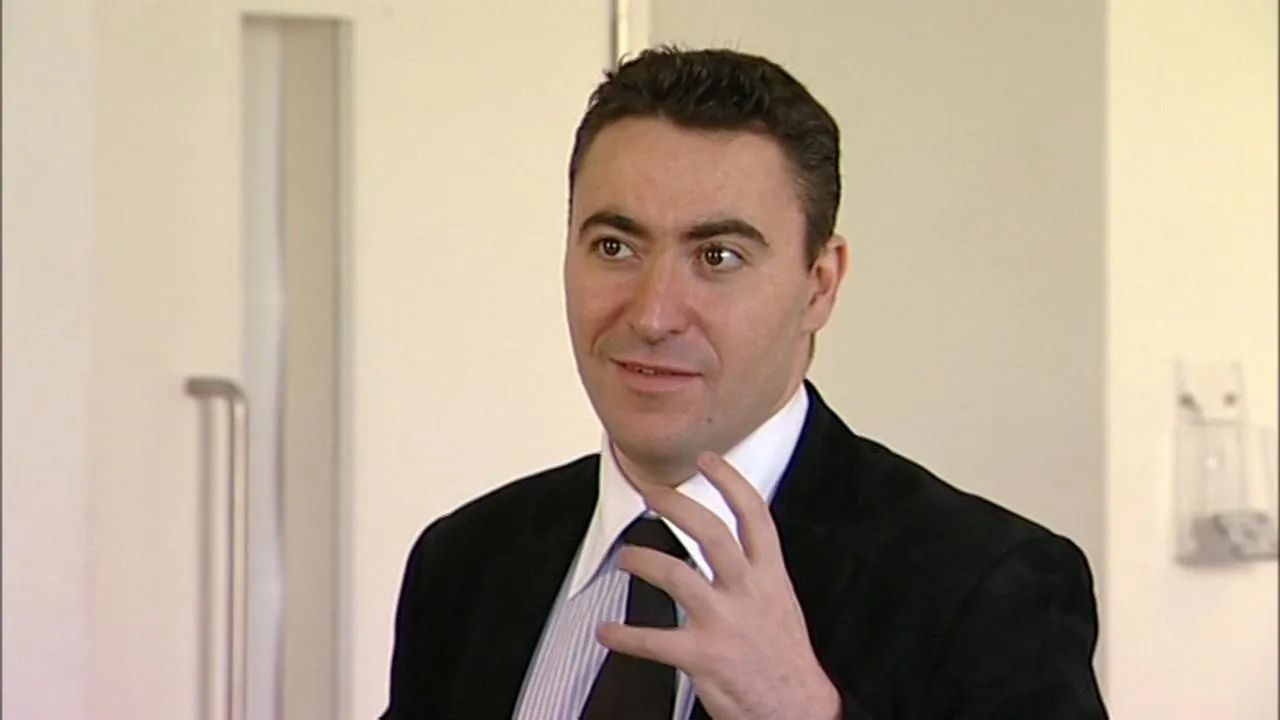
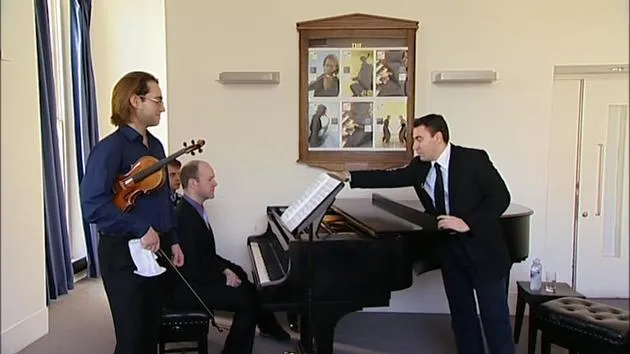
Maxim VengerovMaxim Vengerov works with his student Giovanni Guzzo on Britten's Violin Concerto, digging into harmony, tempo, interpretation and emotion with insight and anecdotes.
What's in the course
2 lessons (0h 49m) · 1 free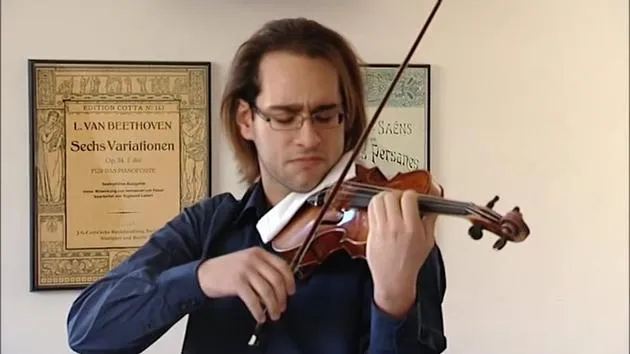
Lesson transcript
Giovanni's Lesson on Britten
Introduction
"Great rendition of Britten! I love that, you know, very personal, the way you really take the time and you think about every note that you're playing. That is very important, especially with a work like Britten."
The Nature of Composition
I always tend to think that when the great composer writes for a concerto for violin, he never actually, deep down, writes for the violin itself. Instead, he uses the violin and other instruments to express himself. However, there are certainly compositions, like the Tchaikovsky concerto, where this is really a violinistic piece. This is a work written for the soul of the violin, where the orchestra is primarily in the background.
In contrast, Brahms, Mozart, Beethoven, Britten, and even Shostakovich, the 20th-century composers, used the violin to integrate it into the orchestral form. You have to consider the violin as a part of the symphony, sometimes leading and at other times blending into the orchestra.
The Illusion of Sound
The imaginative possibilities of instruments and repertoire have expanded, allowing composers to write works that are not only emotional but also constructive to create an illusion.
- Key Mindset: You have to try and forget sometimes that you play the violin. Britten used the violin just to express musical sound, integrating it into the orchestra.
- Practical Tip: When you go home, it would be very useful for you to take the score and see what instrument you're playing with. According to their sound and their vibrato, you may need to blend with other instruments.
Playing with Various Instruments
Sometimes, when playing with wind instruments like the clarinet or tuba, the challenge arises because they produce a completely different sound with varied techniques, vibrato, and mental approaches.
- Violin vs. Other Instruments: The familiarity of playing with violins is like being at home, but you should also explore new territory, mystery and discomfort.
- Audience Perception: It is crucial for the audience to feel misled; they should think, "Is this a violin? I can't recognize that!" This is the essential role of the composer, to trick the audience.
The Structure of the Concerto
Another crucial aspect of the concerto is its structure:
- Exposition and Recapitulation: You have to know there is an exposition where you expose the work for the first time. When you come back in the recapitulation, you're no longer able to feel the same way. It's like a reincarnation of the soul.
- Philosophical Approach: Rise above the usual and standard thinking. The first movement starts dreamy, with brilliance and darkness, not sweetness yet. The sweetness comes from within.
Movement Analysis
-
First Movement: Emphasizes the need to become introverted. The music of Britten often comes from inside; the emotions may not always express outwardly but rather remain within.
-
Second Movement: Here, he showcases what the violin can do, an exhibition of the instrument's capabilities.
-
Third Movement: It rises above the first and second movements, leading to the greatest statement of the concerto. There's a surprise waiting at the end that showcases Britten's mastery.
Details to Focus On
-
Percussive Elements: Think about how the composer thinks regarding the theme and accompaniment. This division of organized vs. disorganized feeling contributes to each performance.
-
Vibrato and Harmonies: There should be a reaction to the harmonies; each harmony is a different color. Listen carefully while playing.
-
Intonation: Stay attuned to the harmonies to maintain good intonation without relying solely on mechanical perfection.
Practicing Tips
- Maintaining Momentum: Do not interrupt with vibrato; every vibration of the soul should be continuous.
- Exaggeration and Practice: In practicing, sometimes you may need to exaggerate movements to achieve the desired outcome naturally.
Conclusion
"Giovanni, you deliver great quality! Every note should sound like a well-crafted masterpiece, reflecting your hard work in practice. Use your body and instrument intuitively, and allow your music to thrive."
"I wish we had a little more time for that."
2 lessons
0h 49m of structured video lessons
Advanced video features
Slow down, loop a passage, follow along
Mobile, tablet & desktop
Practise wherever you are
100% satisfaction guarantee
30-day money-back guarantee
Meet your guru
Meet your guru
Maxim Vengerov is recognised as one of the world's most exciting violinists. He gave his first recital at the age of five and, after studying with Galina Tourchaninova and Professor Zakhar Bron, went on to win First Prize in the Junior Wieniawski Competition at the age of ten. In 1990, aged fifteen, he won the Carl Flesch International Violin Competition, confirming his reputation as a musician of the very highest order.
In May 2000, following a ten-year recording contract with Teldec Classics, Maxim Vengerov signed an exclusive contract with EMI Classics. His awards and prizes have included Gramophone Young Artist of the Year and Ritmo (Spain) Artist of the Year in 1994; Gramophone Record of the Year and Grammy Award nominations for Classical Album of the Year and Best Instrumental Soloist with Orchestra in 1996; the Edison Award for Best Concerto Recording in 1997; Gramophone Artist of the Year in 2002; and both an Edison Award and a Grammy Award in 2004 for Best Instrumental Soloist Performance (with Orchestra) for his recording of the Britten Violin Concerto and the Walton Viola Concerto.
In 1997 Vengerov was the first classical musician to be appointed Envoy for Music by UNICEF. In this role he has met and performed for disadvantaged children in Uganda, Harlem, Thailand, and on both sides of the Kosovan ethnic divide - work that has allowed him both to inspire children worldwide and to inspire others to raise funds for UNICEF-assisted programmes. Another passion of Vengerov's life is his involvement with young people through giving masterclasses. One such event was recorded by Channel Four Television as part of a documentary on Vengerov called 'Playing by Heart', shown at the Cannes Television Festival in 1999. Since June 2005 he has been Professor of Violin at the Royal Academy of Music, London.
That same teaching passion runs through his MusicGurus masterclasses, where Vengerov takes you inside the great violin repertoire - from Ravel's Tzigane and Sarasate's Carmen Fantasy to the concertos of Sibelius, Mendelssohn, Britten and Shostakovich - sharing the technique and musicianship behind every phrase.







