



Analysis, explanation, demonstration by Emmanuel Pahud
With
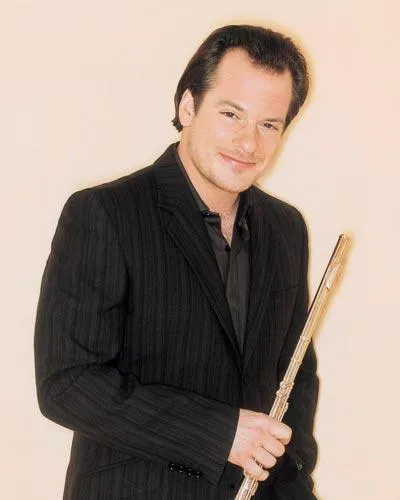
Emmanuel Pahud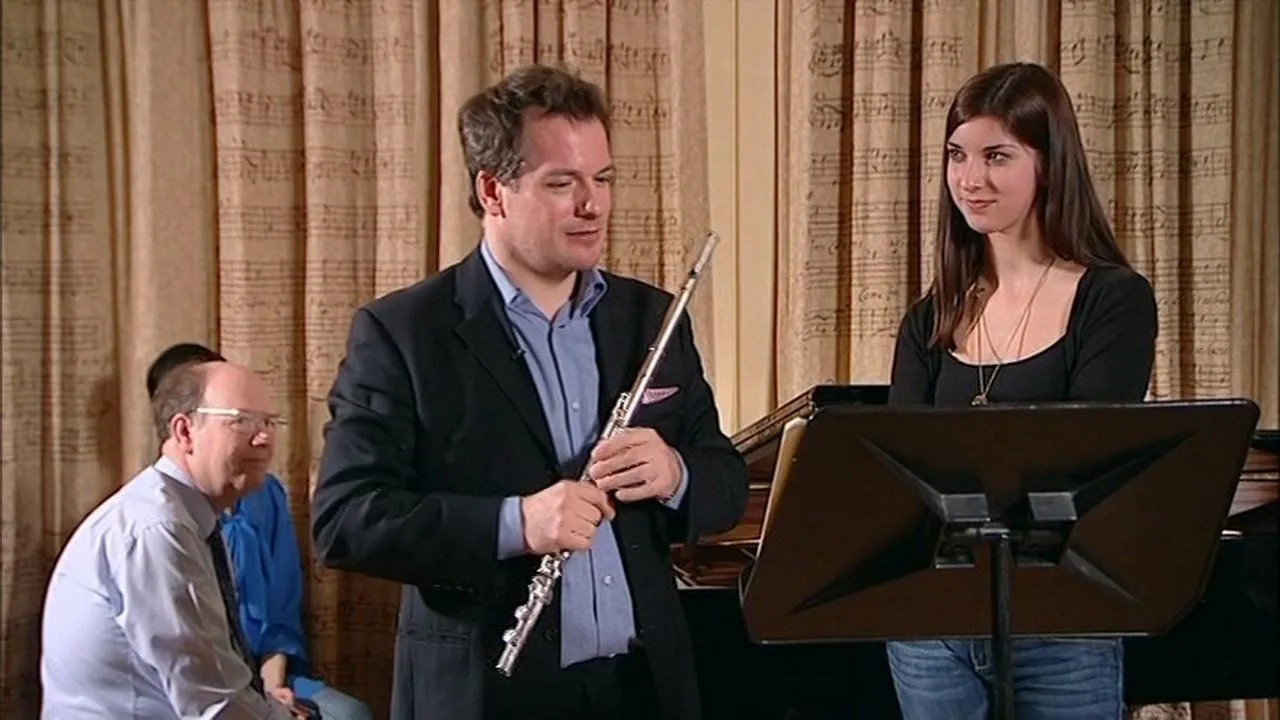
What's in the course
6 lessons (2h 19m) · 1 free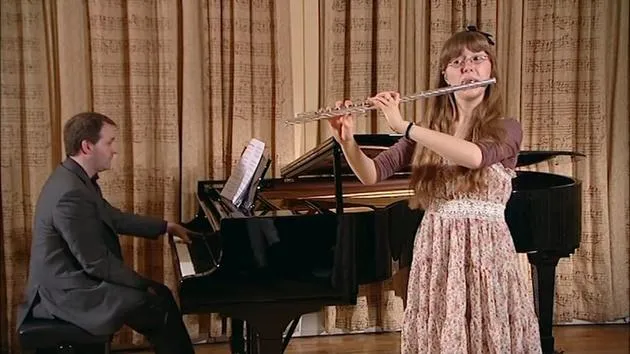
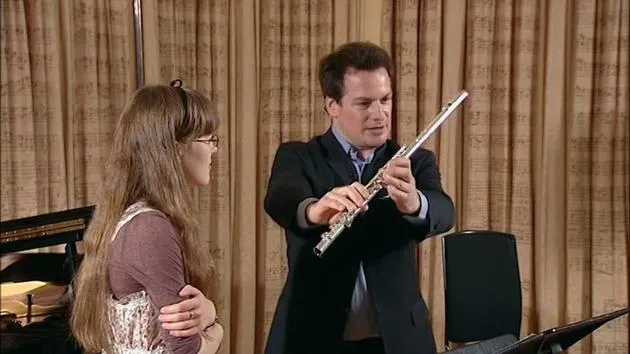
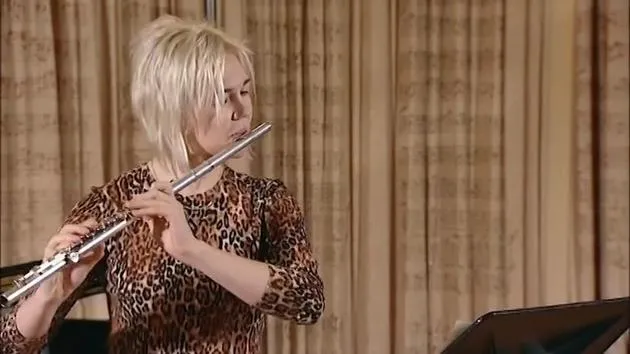
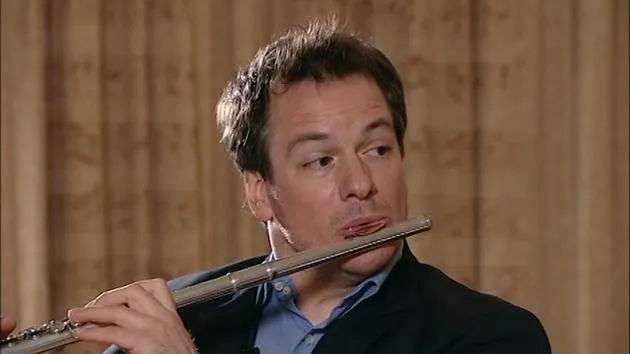
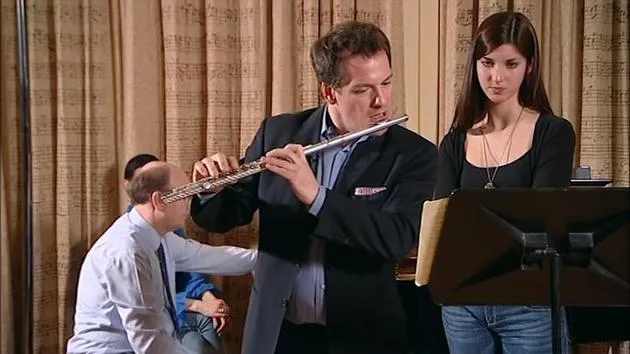
Lesson transcript
Flute Lesson
This one is a tricky piece because it doesn't sound as difficult as it is. It's not the most graceful piece, but there are many challenging aspects, particularly with all these G sharps.
Challenges of the Piece
-
Technical Difficulties:
- All the slurs in the first movement are really difficult.
- You have to navigate throughout the range of the instrument while maintaining a stable sound and a nice tone.
-
Middle Section:
- This is where many students struggle.
- Your nerves and excitement are natural; however, you must pull yourself together in the middle section because the difficult part is yet to come.
Breathing Techniques
Now, let's focus on breathing properly. If you really breathe correctly, you're going to play properly. Here are some key points to remember:
- Support Your Air: You need to sustain the airflow until you decide that the note is stopping.
- You are in Control: Remember, you are the one playing; you're not just listening.
Playing Position
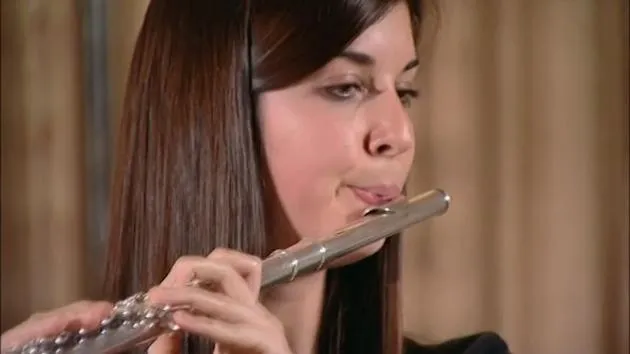
Your position here seems relaxed and stable, which is great. However, be aware of the following:
-
Head Joint Position:
- Be careful not to turn the head joint inside too much, as this limits your ability to play effectively.
- To play piano, you need to adjust your position to maintain a good airstream.
-
Centering:
- Start with the mouth hole and the keys aligned.
- Adjust as needed from this centered position.
Pianissimo Playing
- The Importance of Pianissimo:
- The only real pianissimo in the piece is crucial. Hold the pianissimo as long as you can.
- Only play the crescendo as it's indicated, which is four beats or three and a half beats before the fortissimo.
Color and Expression
- Tone Color:
- I recommend exploring a "saxophone kind" of color at this spot, even though it is not written.
Using Wasabi
-
Tuning and Intonation:
- You need to use more "wasabi" in your flute playing. This helps in playing in tune.
- Playing forte results in a big and beautiful sound without forcing it.
-
Resonance:
- We have many cavities in our heads that resonate while we play. The more we drive the resonance, the louder we can play with the same amount of air.
Managing Dynamics and Vibrato
-
Vibrato:
- Use vibrato to keep the sound alive on long notes.
- It's essential for adding expression and maintaining intensity.
-
Dynamics:
- When reaching the peak of a crescendo, don't play any louder. Think of it as moving forward on stage and then staying there.
Practicing Techniques
- Air Support:
- Use "wasabi" as a focus point, which helps in centering your tone.
- Practice with gentle dynamics and avoid tightening your lips too much.
Conclusion
Ultimately, this piece is about finding your sound. Focus on breathing and the placement of your air.
- Last Thoughts:
- Get fresh wasabi, as it will help you find your best sound.
- Remember, the focus should be between your nose and the eyes, rather than just on the lips.
Thanks for your dedication in today's lesson. Let's continue to work on these techniques, and you will see improvement in your playing!
6 lessons
2h 19m of structured video lessons
Advanced video features
Slow down, loop a passage, follow along
Mobile, tablet & desktop
Practise wherever you are
100% satisfaction guarantee
30-day money-back guarantee
Meet your guru
Meet your guru
Berlin-based Emmanuel Pahud is one of the world's foremost flautists, best known for his baroque and classical flute repertory.
Pahud was born into a non-musical family in Geneva, Switzerland. As a young boy he was captivated by the sound of the flute, and from the age of four to the age of 22 he was tutored and mentored by flautists such as François Binet, Carlos Bruneel and Aurèle Nicolet, before training at the Conservatoire de Paris.
He leapt onto the international orchestral and solo music scene when he joined the Berlin Philharmonic Orchestra in 1992 as one of its youngest ever principal players. His innate musicality and extraordinary technique have made him a fixture for solo appearances in Japan, South East Asia, Europe and the United States. His regular recital partners include Eric Le Sage, Hélène Grimaud, Yefim Bronfman and the jazz pianist Jacky Terrasson, and he is greatly in demand as a chamber musician, having collaborated with most of the world's top soloists.
His versatility across music styles has "signalled the arrival of a new master flautist" (The Guardian). He plays across diverse genres, whether baroque, jazz, contemporary, classical, orchestral, or chamber music.
In Works for Flute by Schubert, Hue and Sancan, Emmanuel turns that artistry toward three cornerstones of the flute repertoire, sharing the interpretive and technical insight to bring each piece vividly to life.







