


Blues scale improvisation

With
Tim RichardsTim demonstrates some techniques for improvising or ‘noodling’ with the minor pentatonic scale
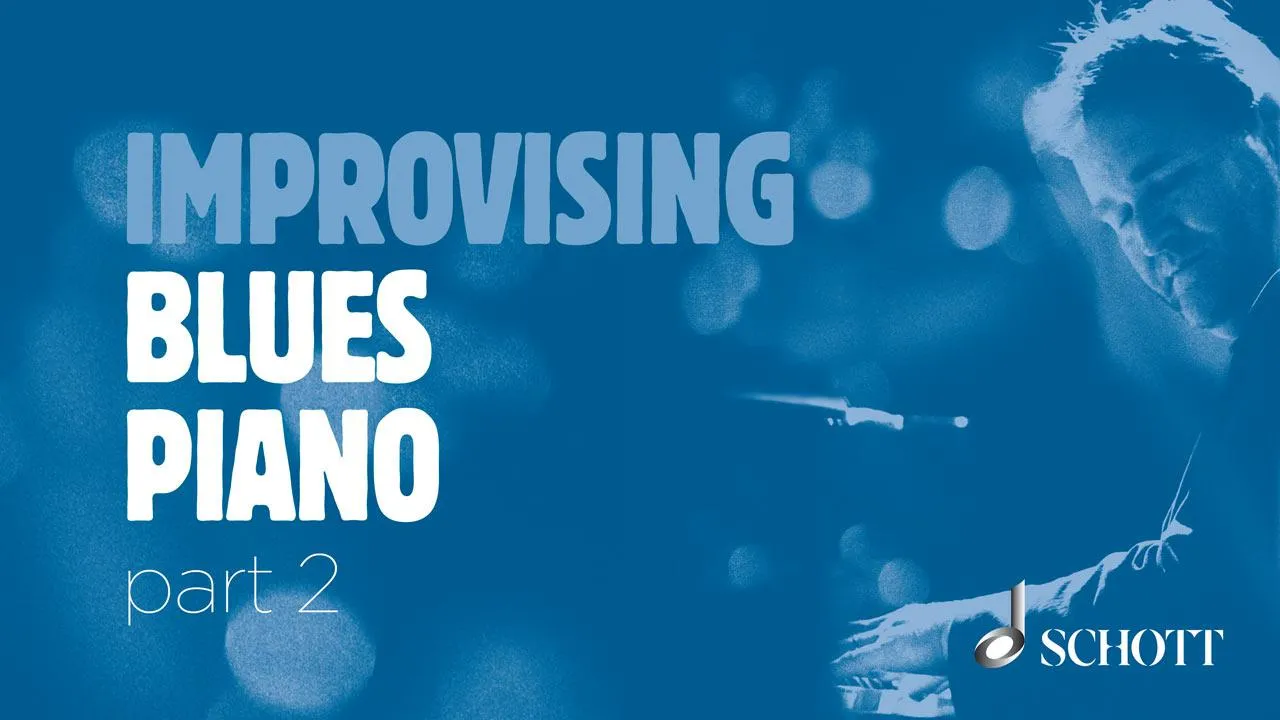
What's in the course
15 lessons (0h 43m) · 1 free
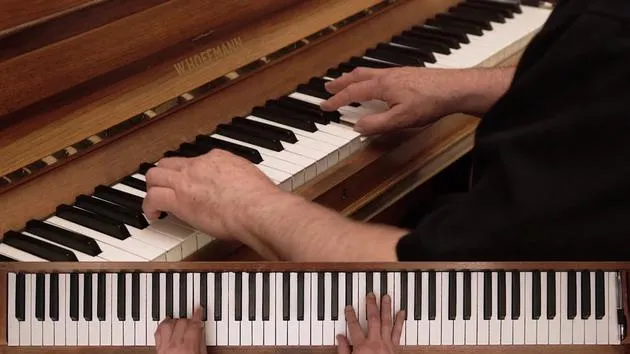
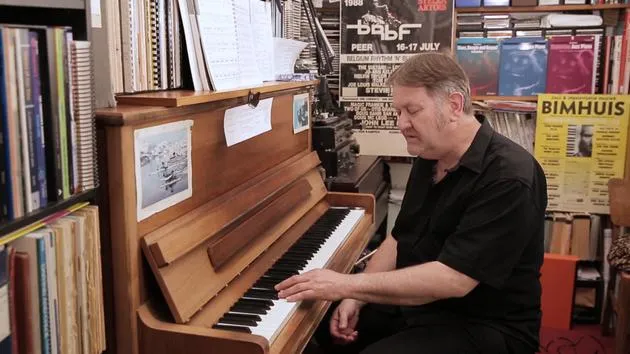
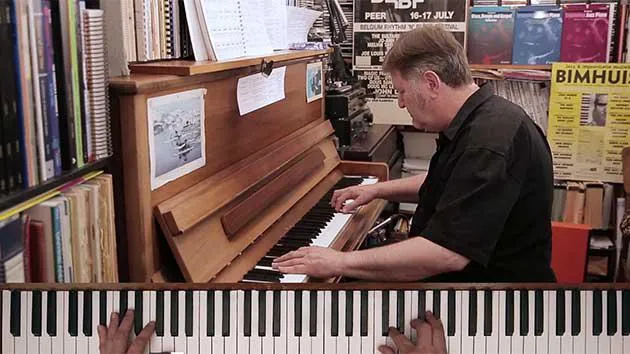
Lesson transcript
Exploring Improvisation with the Blues Scale
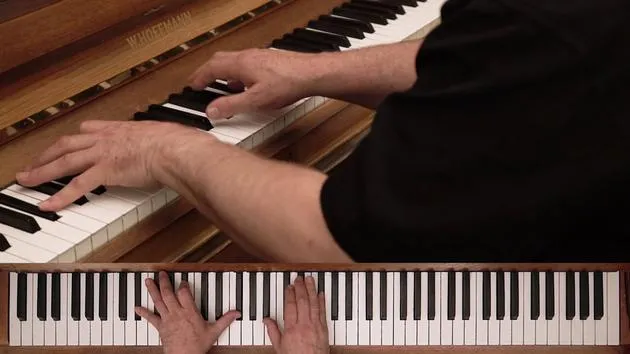
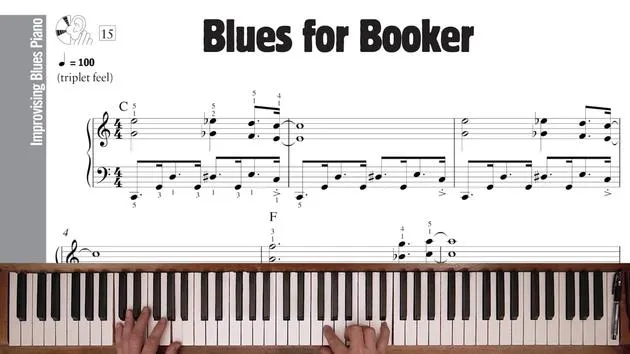
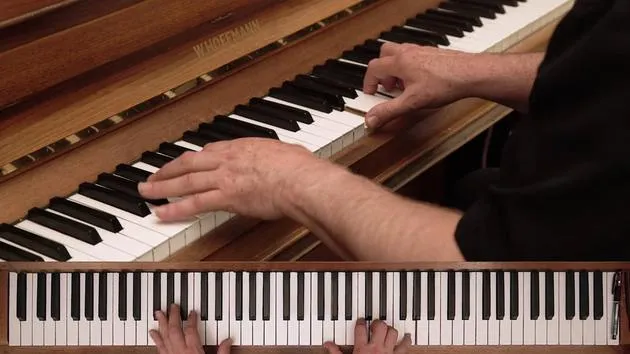
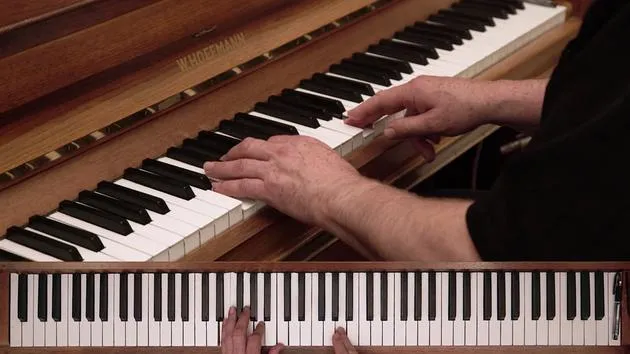
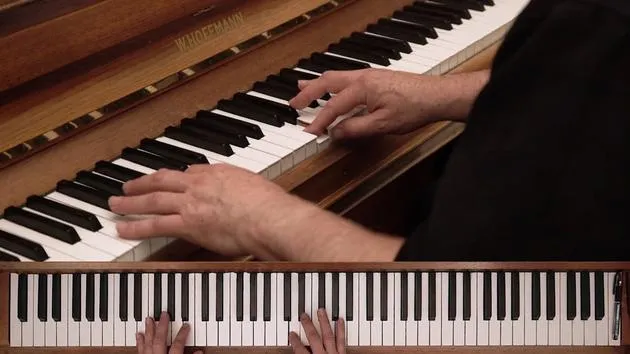
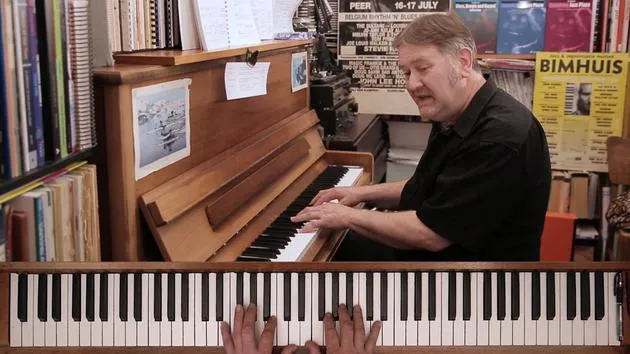
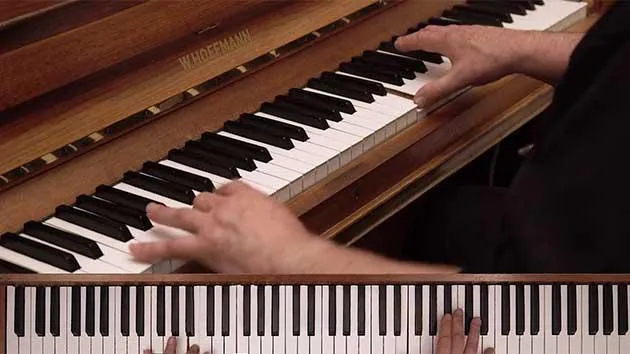
Now, we haven't done anything in terms of a solo on this. One of the things you could try is using the blues scale or minor pentatonic and doing what I call noodling.
Suggested Approach
- Choose a hand position:
- It could be a four-note hand position.
- You can move that into five different places.
So, any of those will work.
Practice Tips
- Try it on E for a bit or in the opposite direction.
- You could also play octaves and so on.
All that improvisation was based on those five notes.
If You're Finding It Difficult
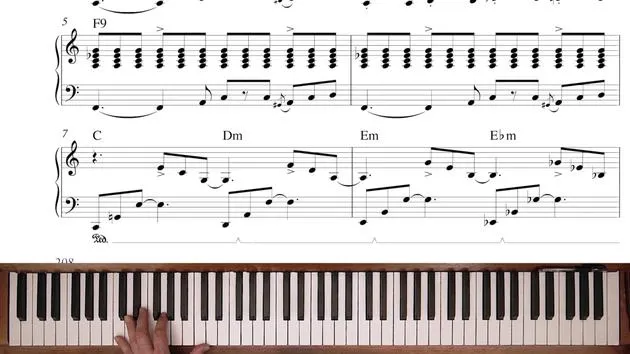
If you found it really difficult coordinating all of this improvisation and noodling with the bass line, why not try the barrel house to start with?
- Try and do it at the same tempo:
- We were like this: 1, 2, 3.
Additional Options
- Octaves: Another option but always follow those notes.
- I put the B flat in the flat five, so use the same notes over all three chords.
Important Reminders
- That's really important: Don't think about changing the scale, just try to adapt the notes to fit the scale.
After Barrel House
Once you've got it with the barrel house, try the same ideas. See how they... how they match at exactly the same tempo.
Focus on Cleanliness
What you're aiming for is to get these right-hand semiquavers (or whatever they are; they might even be demi semiquavers) really clean.
- If you can't get them clean, slow it right down until you can reach the desired tempo.
Introducing the Blues Scale
I've left it deliberately to this point in part two to introduce the blues scale because many people really overuse this scale.
- Remember: It only has five notes, and it can get very monotonous after a while.
So you've probably noticed that up till now, most of the stuff we've done is related more directly to the chords.
Final Thoughts
Don't get stuck on the blues scale; it's just one tool in your toolbox.
Mix it up with other stuff, and you'll get a really good result.
15 lessons
0h 43m of structured video lessons
Advanced video features
Slow down, loop a passage, follow along
Mobile, tablet & desktop
Practise wherever you are
100% satisfaction guarantee
30-day money-back guarantee
Meet your guru
Meet your guru
Critically acclaimed jazz pianist and composer Tim Richards is one of Britain’s most experienced jazz educators, teaching piano privately for over 30 years, as well as at Morley College, Goldsmiths College, the University of Surrey, Premises Studios and other venues in the UK and abroad. He has produced numerous titles for Schott Music, including the best-selling two-volume Exploring Jazz Piano, Blues, Boogie & Gospel Collection and the acclaimed Improvising Blues Piano. He is also co-author, with John Crawford, of Exploring Latin Piano and Brazilian Piano Collection.
More recently Schott have published Jazz, Latin & Modern Collection (15 pieces for solo piano), comprising Tim Richards originals alongside pieces by Duke Ellington and Thelonious Monk, and the two volume set Beginning Jazz Piano (now a two-part MusicGurus course).
“The real joy of Tim’s music… is that it is both hugely educational but also such great fun to play. Anyone with the slightest interest in learning to play or teach jazz piano should really acquire a set of Tim’s books.” PianoDao
As a performer Tim has been a presence on the UK jazz scene since the 1980s, also playing the blues with UK and US legends such as Otis Grand, Earl Green, Dana Gillespie, Larry Garner, Joe Louis Walker and Mojo Buford. He has released over a dozen albums as a leader (featuring many of London’s best jazz musicians including Pete King, Gilad Atzmon, Tony Kofi, Jason Yarde, Seb Rochford, Ed Jones, Dick Pearce and many others), and toured all over Europe with line-ups ranging from duo to nine-piece. His latest recording, the album ‘Telegraph Hill’ by the six-piece Hextet, was described in The Observer as "A true joy from beginning to end".
More info can be found on his website www.timrichards.ndo.co.uk