



Bienvenue dans le cours et le point de vue de Dov sur la créativité
Avec
Dov WatermanDov Waterman présente le cours et partage son point de vue sur la créativité, et sur la façon dont Logic Pro peut réduire l'écart entre les idées dans ta tête et la musique finie.
Le contenu du cours
10 leçons (0h 46min) · 1 gratuites
01. Bienvenue dans le cours et le point de vue de Dov sur la créativité
Tu es ici3:29
02. Introduction au workflow et à l'efficacité
1:30
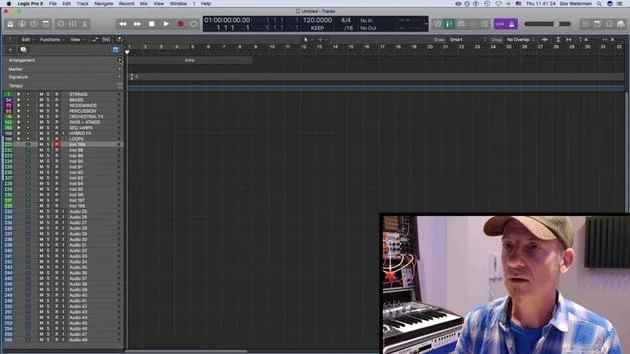
03. Flux de travail et efficacité
7:13
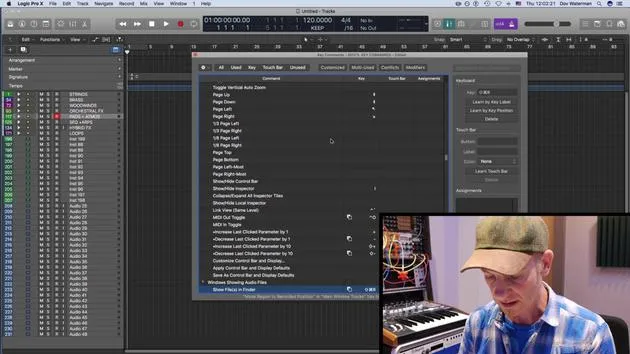
04. Raccourcis clavier
6:04
05. Créer une palette de sons
4:02
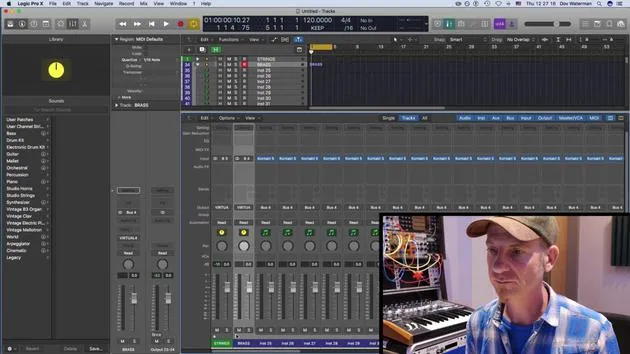
06. Configurer et enregistrer un template
4:30
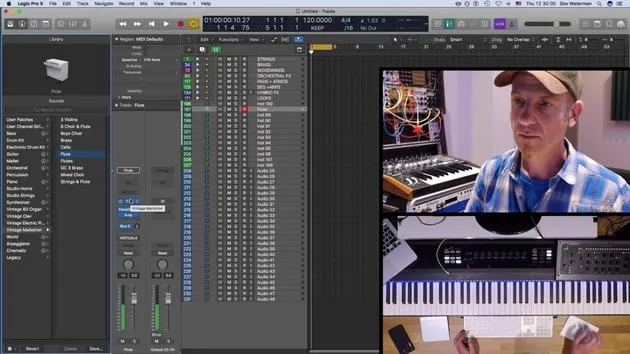
07. Vue d'ensemble de la bibliothèque et des tranches de console
9:20
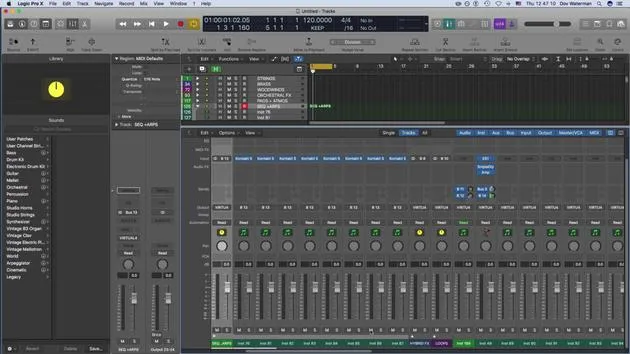
08. La barre d'outils
4:23
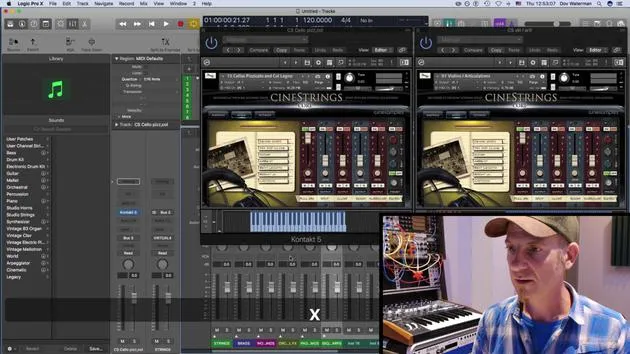
09. Screen-sets
4:34
10. Exercice : Crée ton template
1:18
Transcription de la leçon
The Creative Journey in Music Production
As creative people, we have a need to produce material that moves others and ourselves. As musicians and arrangers of music, we leverage our ability to play an instrument or help somebody else make music.
These days, the computer and relevant software are as much an artist's tool as the paintbrush and canvas were to a visual artist, or a score manuscript to a composer. Logic Pro is a piece of intelligent software that helps us produce the sounds we hear in our heads.
Bridging the Gap
The software has developed over time, becoming easier and simpler to use, but there's still a barrier between us and the virtual world of sound and computers. Our aim is to shorten the bridge between our ideas and their realization, smoothing out the technical barriers that get in the way of our creativity.
Key Concepts: Efficiency and Workflow
So how do we do this? Two key words you're going to be hearing from me over the course of our sessions are:
- Efficiency
- Workflow
By being efficient with the way you work, we can ensure a smooth flow of tasks, staying focused, working fast, and realizing those ideas the moment they enter our brains.
Like with any instrument, to work at this level, you need to put into practice certain elements to achieve this efficiency. This is as much a lesson in mindfulness and the theory of the human condition as it is a lesson in how to use Logic Pro.
Exploring Logic Pro
Logic has a plethora of features and ways to perform certain functions. Over time, you'll find the ones that benefit you. However, you do not need to become a "Logic ninja," or a "Pro Tools ninja," or an "Ableton ninja."
At an intermediate level, you should already know your way around the program. Understanding basic signal flow, how to connect a guitar, a mic, or a MIDI keyboard, etc., is crucial.
The challenge now lies in exploring the most efficient use of Logic's features to enhance your creative output and elevate your skills. For example, you will learn about:
- Shortcuts and key commands
- Setting up working templates for writing and mixing
- Delving into Logic's sound production tools
- Using MIDI and audio editing features to enhance your creations
All of these techniques are designed to help you stay in the zone.
Beyond Logic Pro
Other helpful practices might not be related to Logic at all. These are concepts you could learn from a life coach or a motivational speaker, such as:
- Visualization
- Experimentation
- Intent
You might be asking yourself, "Why am I here? I thought this guy was going to teach me Logic Pro." I'm going to teach you how to use Logic as a creative tool, and how to create with intent and not idly noodle.
When you are experimenting, I'll show you how to express yourself with the tools at your disposal. We'll spend time before you begin creating to develop a palette of sounds relative to your ideas.
Production Techniques
We'll go through various production techniques and learn to hear what our finished piece would sound like before it's finished.
However, because the creative impulse is so fleeting, it's vital that we can actually get music made when ideas come. As Denis Desantis states in his book Making Music, "above all else, music touches our soul, gives you goosebumps, and moves your listeners."
As such, music is a product, a material that takes time to craft, likewise honing the practices, tools, and concepts used to create it.
10 leçons
0h 46m de leçons vidéo structurées
Fonctions vidéo avancées
Ralentissez, bouclez un passage, suivez la partition
Mobile, tablette et ordinateur
Pratiquez où vous voulez
Satisfaction garantie à 100 %
Garantie remboursement 30 jours
Rencontrez votre guru
Rencontrez votre guru
Dov Waterman est compositeur, pianiste et producteur. Il a écrit et conçu le son de films tels que After Earth, Terminator Genisys, Transformers: The Last Knight et The Snowman, et travaille comme monteur audio de bibliothèques de samples et sound designer avec des sociétés comme Native Instruments et SonoKinetic.
Sa série Composition in Logic parcourt la construction d'un morceau de bout en bout dans Logic Pro — des templates et du workflow jusqu'à la synthèse et la programmation de beats, les effets MIDI, le montage et le mix final — pour les producteurs qui veulent transformer leurs idées en disques aboutis.







