



Chen Reiss - Preguntas y respuestas

Con
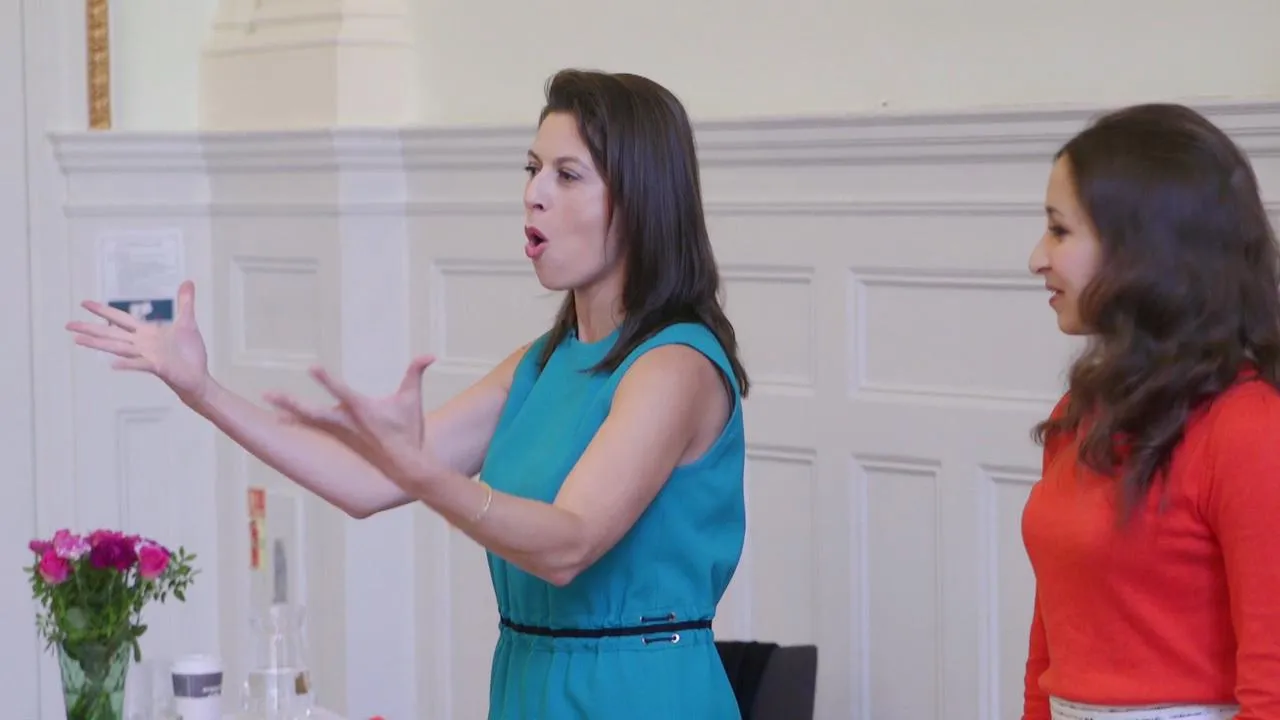
Chen ReissEn esta lección, la clase magistral abre las preguntas al público, que no puede resistirse a ponerse personal con Chen Reiss.
Qué incluye el curso
13 lecciones (2h 46m) · 1 gratis
01. Interpretación de Cosi Fan Tutte
4:45
02. Análisis de Così fan tutte
30:29
03. Interpretación de La Clemenza di Tito
6:23
04. Análisis de La Clemenza di Tito
21:29
05. Die Zauberflote (interpretación)
3:01
06. Análisis de Die Zauberflöte
17:52
07. Interpretación de Idomeneo
4:14
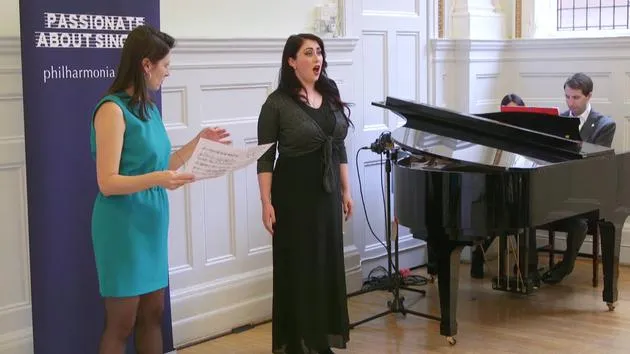
08. Análisis de Idomeneo
26:49
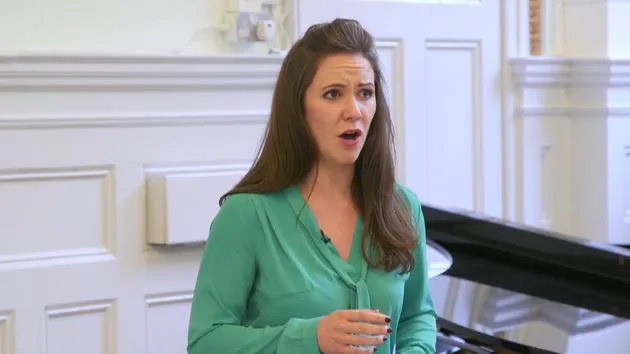
09. Interpretación de Le Nozze di Figaro
2:58
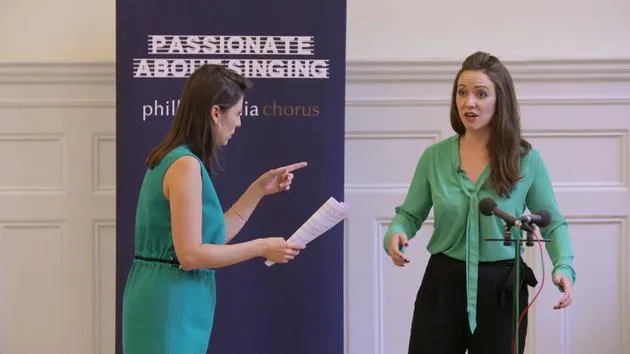
10. Análisis de Le Nozze di Figaro
16:50
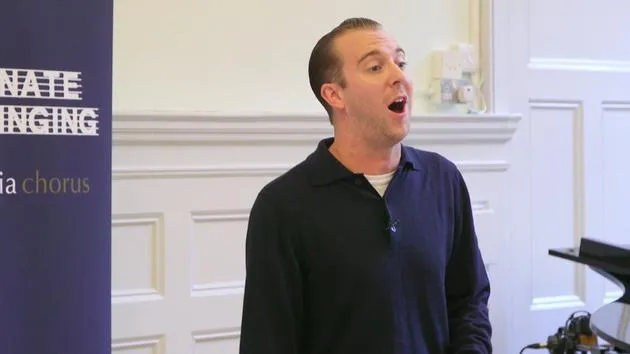
11. Interpretación de Die Zauberflöte
3:48
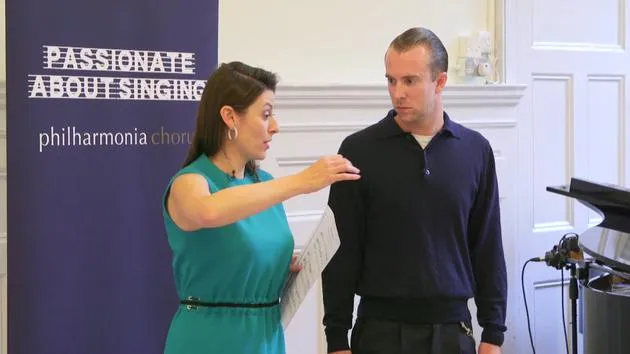
12. Análisis de Die Zauberflöte
20:58
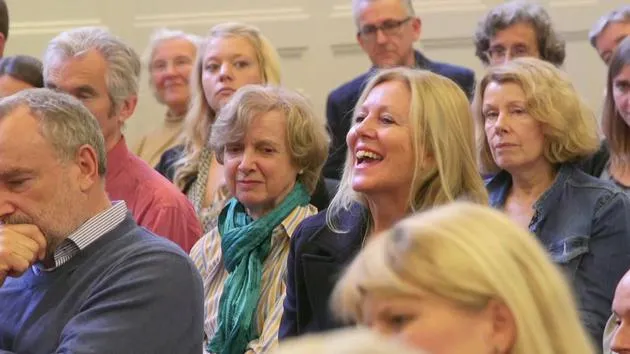
13. Chen Reiss - Preguntas y respuestas
Estás aquí7:00
Transcripción de la lección
Music Lesson: Preparing for Performance
Question & Answer Session
Instructor: Would anybody like to ask any questions?
So, you've covered dramatic context, character, words, and music. When you open the score for the first time, how do you go about it?
Opening the Score
Usually, I start with the words for the simple reason that I know the music. Because usually, we sing operas that all of us know. So, if I have to sing Traviata or Carmen for the first time, I already know the melodies.
In my case, I sing a lot of Mozart operas, which I know very well. So, I definitely start with the words and with the character to see the situation, how she's feeling at this point in the opera. Then I start practicing at the piano.
- Putting it in the Voice:
- We say that pianists need to "put it in the hands"; we need to "put it in the voice."
- So, I sing each phrase ten times until it sits in the right place in the voice, until it feels right in the body.
Definitively, what always leads me are the words and the drama.
Preparing for Performance
Audience Question: Can you tell us? Is there anything specific that you do to prepare for a performance?
After I became a mother, everything changes. I don't have time anymore to think and to worry so much about everything.
But singers have to be very disciplined to keep the voice in good shape. I cannot say in perfect shape because it's never in perfect shape. The circumstances, it's always too cold, too hot, or I've not drunk enough water, or I didn't get enough sleep.
My Routine for Performance Preparation:
-
Sleep:
- First of all, I try to get as much sleep as possible the night before and during the day.
- I avoid being on the phone the day of a performance.
-
Physical Activity:
- I do a lot of stretching, yoga, Pilates, lots of physical activity that day.
- I need to get my body moving before I go to the theater.
-
Vocal Warm-Up:
- I warm up the voice.
-
Eating Habits:
- I eat light meals but frequently, and I know some singers don't eat hours before a performance.
- I have to eat, say, two hours before.
- During intermission, I always have an apple or a banana. Energy is crucial!
-
Hydration:
- Plenty of water and concentrating on the role I'm singing that night are essential.
As I said, when you have little kids, they distract you, and everything I just mentioned often doesn't happen. Yet, the voice somehow works!
After years of experience, I wouldn't recommend skipping these routines to beginners. If you're a beginner, be very strict:
- Don't go out the night before.
- Avoid smoking.
- Eat healthy!
You are, in a way, a servant of your voice.
Maintaining Vocal Health
Audience Question: Can you tell me if you do other things to keep your voice in good form day to day?
Yes! So, I definitely, like I said, do yoga and Pilates. It helps me.
- Daily Habits:
- I sleep a lot.
- I drink a lot of water.
- I don't drink alcohol or coffee.
- I'm very disciplined about what I eat, which helps.
- I simply don't party. Yes, I miss out on all the fun.
Managing Performance Nerves
Audience Question: You seem so confident in front of audiences. Do you actually get nerves, and how do you manage them?
Oh, yes, definitely! I get nervous. It's much easier to teach than to sing.
Before a big premiere, you don't want to be in the room with me. The whole week leading up to an opera premiere is very stressful.
- Challenges:
- A lot of rehearsals can be tiring for both the voice and the mind.
- Sometimes you have to deal with people who aren't the nicest.
Sometimes everything works fantastically, with a great stage director, and it's a lot of fun. But other times, the stage director has different ideas.
Coping Strategies:
- I try to keep calm and happy.
- I laugh a lot, watch comedies, and try to be lighthearted.
I definitely feel nervous, but it's not so bad. The nerves, the adrenaline, give you energy. I love the feeling of performance!
Sometimes I get a bit heavy and bored during rehearsals, but when the audience is there, I actually sing better because I have more energy. The audience gives you energy.
Closing Appreciation
Well, what a wonderful afternoon we've had. Nobody wanted it to end.
Let's express our appreciation first to Timothy. Yes.
13 lecciones
2h 46m de lecciones en vídeo estructuradas
Funciones de vídeo avanzadas
Ralentiza, repite un pasaje, sigue la partitura
Móvil, tablet y ordenador
Practica donde quieras
Garantía de satisfacción 100%
30 días de garantía de devolución
Conoce a tu gurú
Conoce a tu gurú
La soprano israelí Chen Reiss ha cantado papeles protagonistas en muchos de los grandes escenarios operísticos del mundo, entre ellos:
- Wiener Staatsoper
- Bayerische Staatsoper
- Théâtre des Champs-Élysées
- Teatro alla Scala
- Semperoper Dresden
- Deutsche Oper Berlin
- Hamburgische Staatsoper
- Wiener Festwochen
- Maggio Musicale Fiorentino
- Opera Company of Philadelphia
- The Israeli Opera
Su repertorio operístico incluye, entre otros, Pamina, Adina, Gilda, Nannetta, Oscar, Rosina, Servilia, Blonde, Susanna, Zerlina, Despina, Euridice, Marie (La Fille du régiment), Sophie (Der Rosenkavalier) y Adele.
En su último álbum, "Die Nachtigall und die Rose", presenta un programa romántico junto al reconocido pianista Charles Spencer. En concierto ha actuado en Salzburgo, Lucerna, el Wiener Musikverein, Berlín, Leipzig y Múnich.
Debutó en la Wiener Staatsoper en 2009 como Sophie, y desde entonces ha cantado allí papeles como Pamina, Elvira, Waldvogel, Adina, Servilia, Ilia, Xenia y Füchslein Schlaukopf.







