



Einführung in Gearbox Records
Darrel Sheinman, Gründer von Gearbox Records, stellt das Label und seine Philosophie vor, den Signalweg so kurz und rein wie möglich zu halten.
Das steckt im Kurs
11 Lektionen (1h 35m) · 1 gratis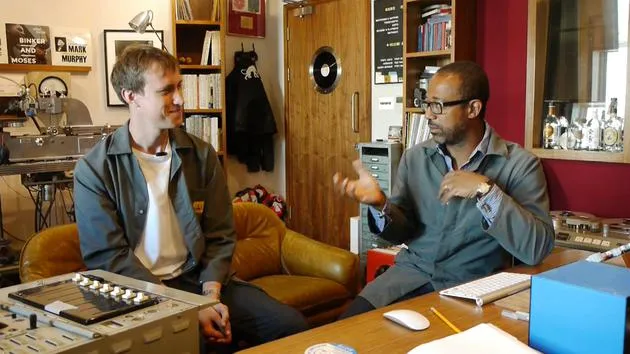
01. Einführung in Gearbox Records
Du bist hier4:00
02. Einführung in die Studio-Hardware
8:50
03. Einführung in die Studio-Software
1:53
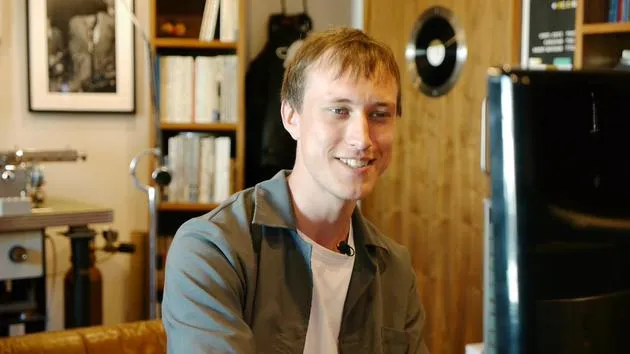
04. Vorbereitung auf das Mastering
6:21
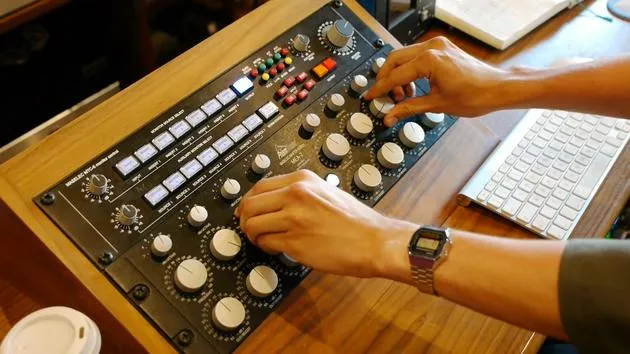
05. Mastering - Demo
4:33
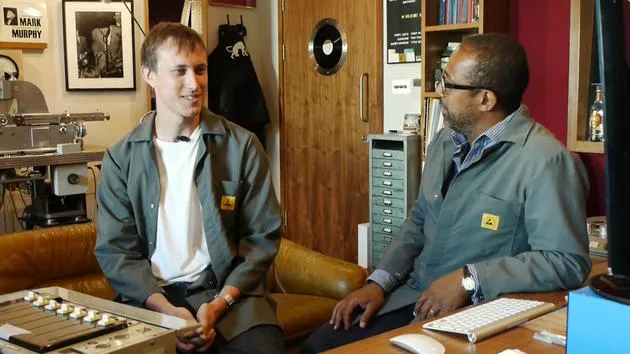
06. Mastering - Gespräch
13:24
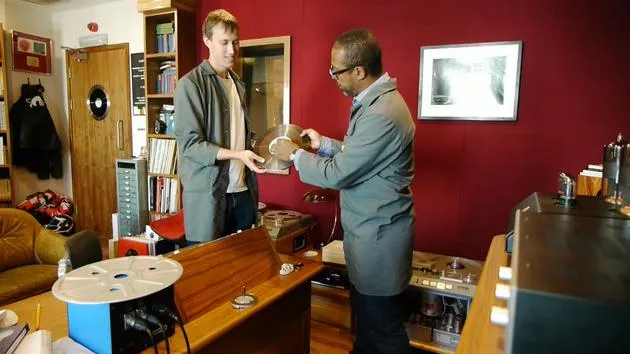
07. Studer C37
26:00
08. Bandschnitt
5:19
09. Filter & Vorsichtsmaßnahmen vor dem Schneiden auf Lack
4:27
10. Die Lack-Schneidedrehbank
11:32
11. Qualitätskontrolle, Testpressungen und Vervielfältigung
9:23
Transkript der Lektion
Welcome to Gearbox Records
I'm Daryl Scheinman, the founder of the label. We are a label that:
- Publishes our own catalogue
- Offers our system for third-party mastering
Philosophy of the Label
Our philosophy revolves around purity of sound. Our goal is to have as little in the signal path as possible while being honest and direct about what we're doing.
Historical Context
There have been some great engineers in the past, mainly in the 50s and 60s, who had large budgets from major companies to develop new ways to record material.
For example:
- Mr. Fine
- RCA's Living Presence
- Mercury
These entities were doing wonderful things, and we are striving to recreate some of the sonic benefits they discovered, primarily through techniques that have unfortunately faded away as more people record, master, and mix in the box.
Our Approach
At Gearbox, we aim to use as much high-quality outboard equipment as possible, alongside a robust digital component.
Purity of Signal Path
What we include in the signal path needs to have integrity. We use:
- High-quality iron
- Good transformers
- Some valve technology, which introduces second harmonic distortion but adds significant value in the process.
We also prioritize precise frequency control. Our monitoring equipment can resolve down to half a dB, allowing us to hear down to those subtle distinctions.
As a result, we have developed a nice system that we offer to third parties.
Meet Casper
I've hired a mastering engineer named Casper, who joins us in these sessions. We will go through each of the recordings and demonstrate our predominantly analog techniques.
Collaboration Process
So, yeah. Hey, Casper, come on over!
I've introduced you already, and this is Casper. He will also be involved in this series of films, demonstrating each part of our process.
There will be a point where I will start off by discussing the cutting side of things in detail, but as we assemble all those parts into one fluid whole, we will both take part in the process.
Two-Person Mastering Sessions
At Gearbox, we believe in having two people, if possible, on every mastering and cutting final session. The reason for this approach is not that it's absolutely necessary, many mastering studios operate successfully with just one person, but when you have the luxury of two, the room becomes calmer.
- One person manages the desk and the tape machines (or digital equipment)
- The second person focuses on the cutting side
This setup allows for better connection and communication, making the process smoother. Additionally, having a second pair of ears is crucial for achieving the best results.
11 Lektionen
1 Std. 35 Min. strukturierte Videolektionen
Erweiterte Videofunktionen
Verlangsamen, Passagen loopen, mitlesen
Handy, Tablet & Desktop
Üben, wo du willst
100 % Zufriedenheitsgarantie
30 Tage Geld-zurück-Garantie







